WALMART
Access Express
Reimagining Asset Protection to Unlock $100M+ in Stagnant Revenue.
Orchestrating human-centered experiences.
Green-field products launched
Spin off BUs sparked through POC innovation
From Personal Friction to Global Strategy
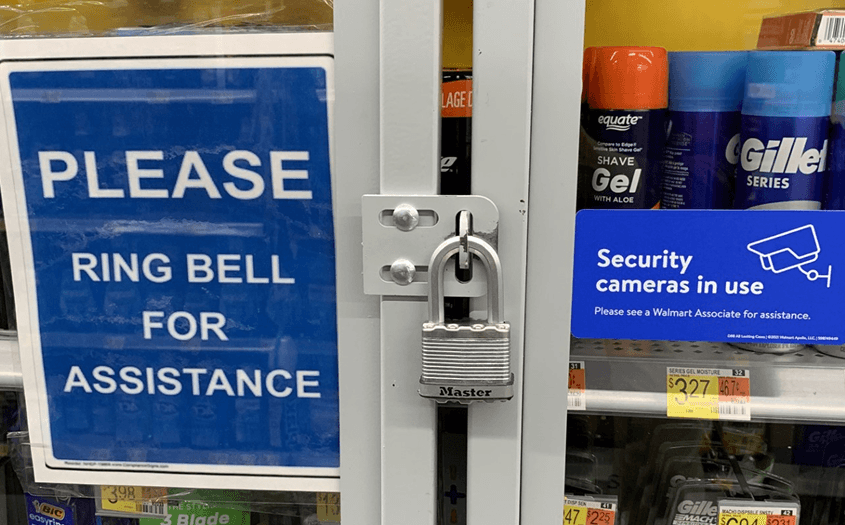
Most innovation begins with a brief; this began with a 45-minute wait in Aisle 4. After experiencing the 'locked cabinet' friction firsthand as a customer, I recognized a massive, unaddressed 'White Space' in our retail strategy.
I came home and immediately started ideating in my sketchbook, exploring how we could fundamentally decouple security from associate dependency. These initial sketches grew into a formal proposal where I gathered foundational metrics and built a comprehensive business case. My vision was ultimately selected as one of the first six "White Space" pilot projects at Walmart—scaling from a personal observation to a high-priority strategic initiative with executive-level visibility.
The Strategy: From Reactive to Proactive Flow
The problem wasn't the lock; it was the dependency. By requiring an associate for every interaction, we created a reactive system that stressed staff and frustrated shoppers. My strategy focused on three pillars of impact:
Customer Empowerment: Reducing the 20-minute wait time to a sub-15-minute "request-to-item-in-hand" goal.
Associate Optimization: Shifting staff from "Reactive Interruptions" to "Proactive Engagement"
Business Recovery: Balancing shrink control (~1.4% of sales) while recovering the 15-25% of sales lost to "locked case friction".
What Success Looks Like (The Pilot Metrics)
Success for Access Express is defined by:
Conversion
From
To
Reduce abandonment rate
<3%
10%
Speed
Wait time
Hitting a target expectation
<15 min
Satisfaction
ASUS/ NPS
Access Express orders vs the baseline
+15 pts
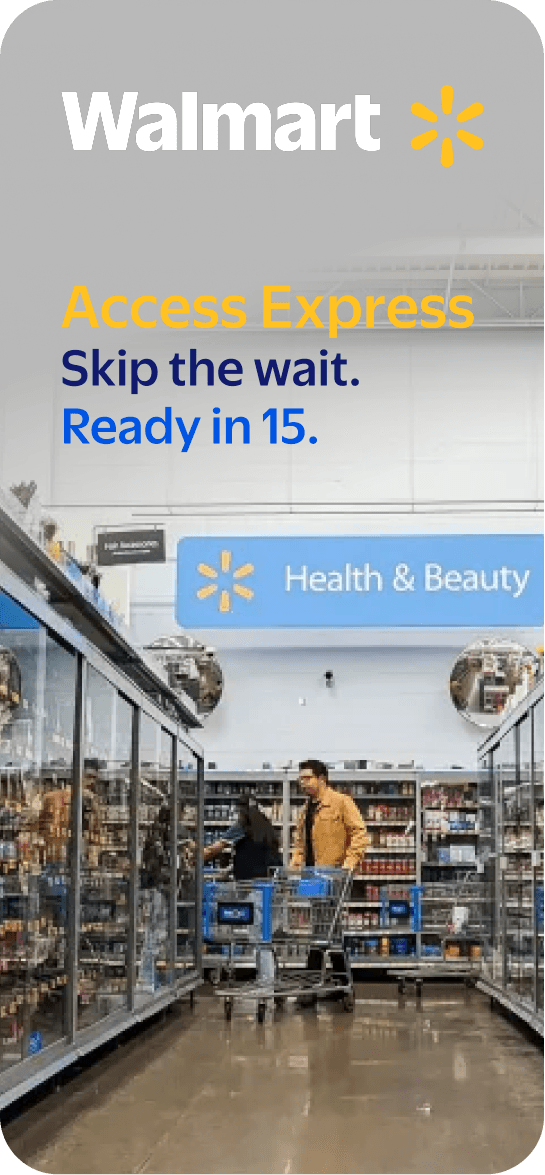
Introducing Access Express
Header


The Initial POC:
Balancing human needs with business anchors.
I approached the initial POC with a 360-degree lens. To solve the "Unlock" problem, I had to ensure the solution didn't just help the customer, but also optimized the associate's labor and protected Walmart’s bottom line.
The Customer:
Reducing abandonment and rebuilding brand trust.
The Associate:
Moving from reactive, high-stress interruptions to proactive, high-value engagement.
The Business:
Recovering the 15-25% sales "tax" caused by locked cases while maintaining rigorous shrink control.
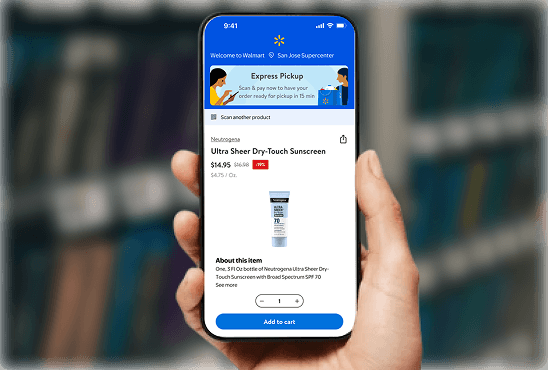
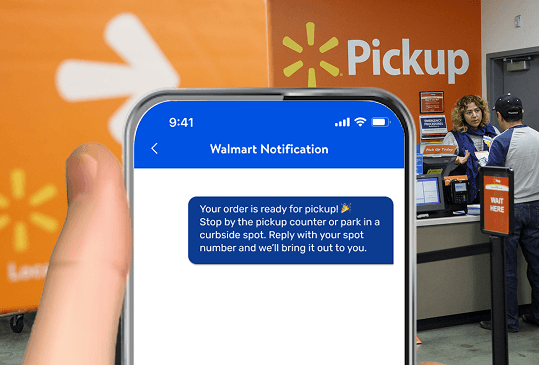
The Lean Experiment:
Moving from Sketchbook to Store Floor
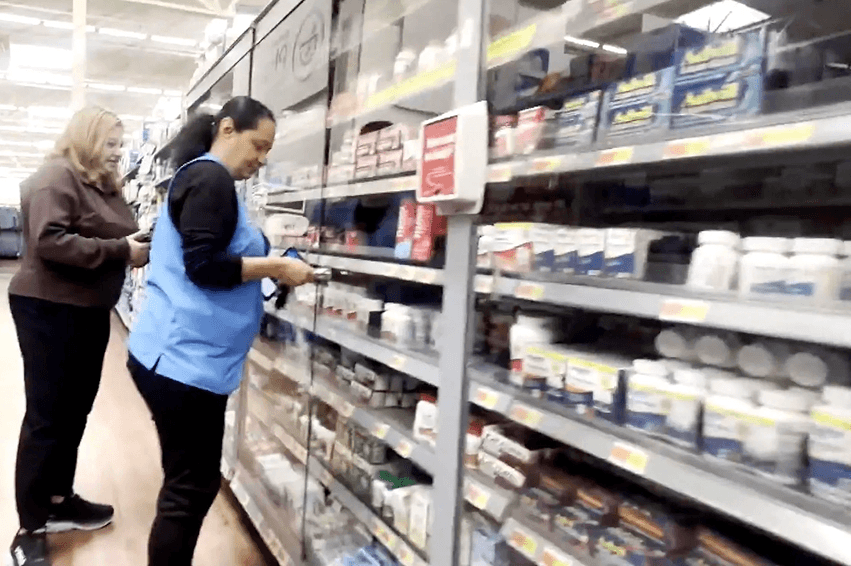
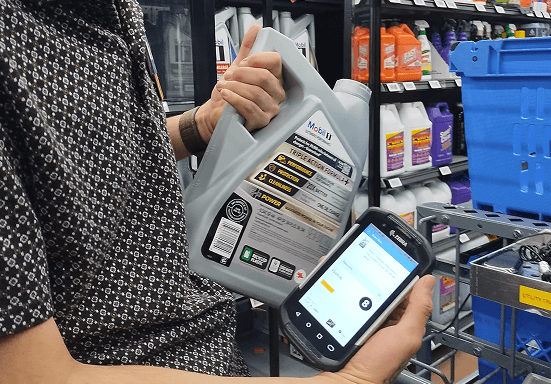
To move beyond my own experience, I shadowed store associates and interviewed managers across multiple locations. I needed to see the "hidden" friction—the key-sharing delays, the stress of being pulled away from tasks, and the exact moment a customer’s face turns from patience to frustration.
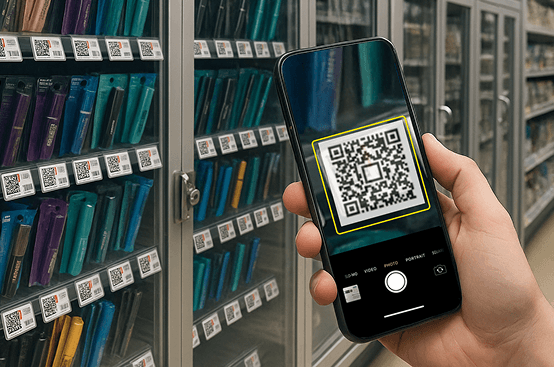
I deployed a clickable prototype for a lean in-store experiment. The goal was simple: test real-world reactions to a new way of shopping.
The Insight Gap:
Internal Appetite: Store managers were 100% ready to adopt; they saw it as a "stress-relief" tool for their teams.
The Friction Point: Customers felt a "digital disconnect." Using a mobile interface in-store felt too much like e-commerce. They felt if they were physically in the store, they shouldn't have to "order online"—they wanted guided, physical assistance.
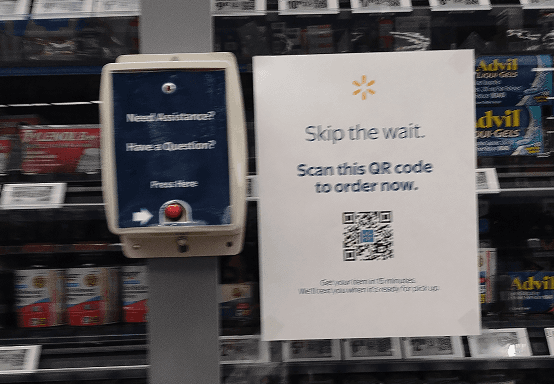
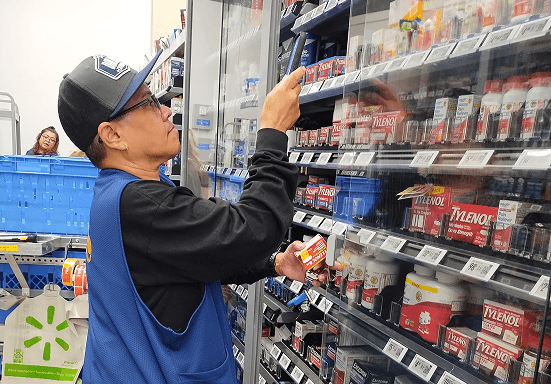
The Pivot:
Humanizing the tech through intelligent, guided assistance
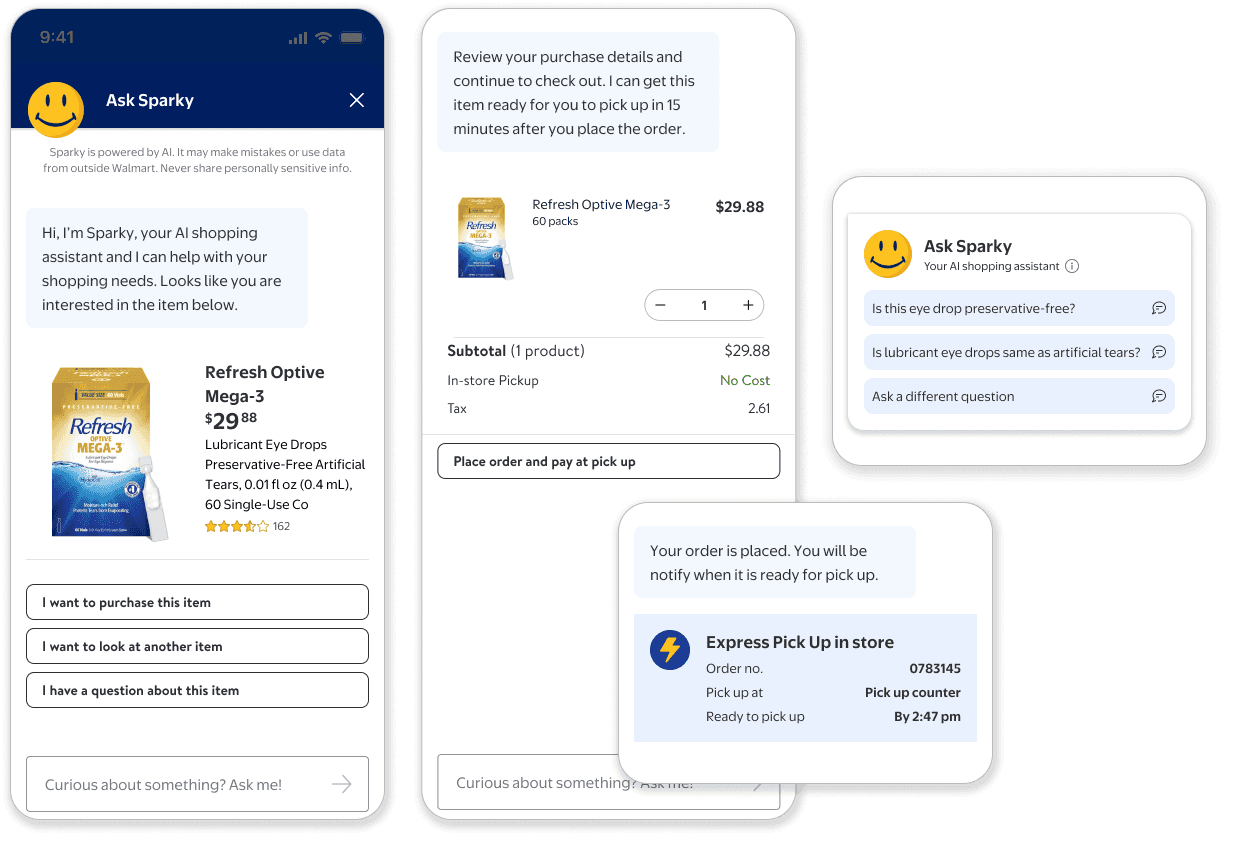
The feedback was clear: the tech needed to feel more like a "service" and less like a "transaction." I pivoted the design to incorporate AI-Guided Shopping. Instead of a cold checkout screen, the AI acted as a digital concierge—guiding the customer through the process, setting clear expectations for item retrieval, and providing real-time updates.
This change transformed the "online order" feeling into a "premium service" experience. The result? A massive lift in customer receptivity and a sense of "Future-Forward" shopping.
The Impact & Next Steps:
From Prototype to Production

I presented the refined AI-driven concept to executive leadership. The reaction was immediate: the project was greenlit and adopted by the AI/IoT Team. What started as a sketchbook idea is now a high-priority pilot currently in development. Access Express is slated for a multi-store launch in Q2 2026, marking a new era of frictionless, secure shopping for Walmart International.